A New Choice for Efficient Hotel Cleaning: Floor Scrubbers Revitalize Hotel Environments
In the hospitality industry, upholding high standards of environmental cleanliness has always been a core priority. Conventional cleaning methods rely heavily on manual labor with tools such as mops and buckets, which not only deliver limited efficiency but also fail to fully eliminate issues like slippery floors and residual water stains after cleaning. As the industry increasingly demands higher efficiency and quality, an innovative cleaning solution is gaining traction, offering an alternative approach to hotel environmental maintenance.
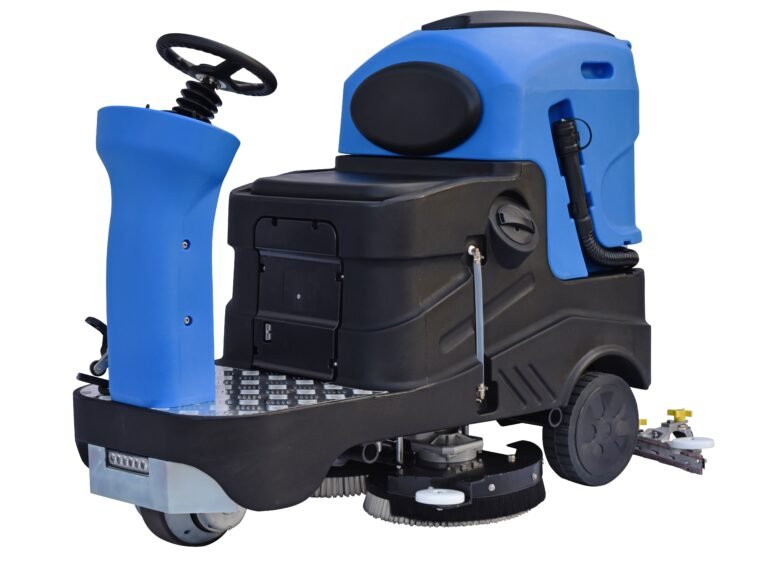
This equipment integrates clean water spraying, floor scrubbing and waste water recovery in a single unit, completing both floor cleaning and drying in one pass. For high-foot-traffic venues like hotels that impose strict requirements for cleaning efficiency and on-site safety, its adoption delivers a wide range of positive improvements.
I. Improved Cleaning Efficiency and Thoroughness
Cleaning tasks for hotel public areas including lobbies, corridors, restaurants, and guest rooms are often time-sensitive and labor-intensive.
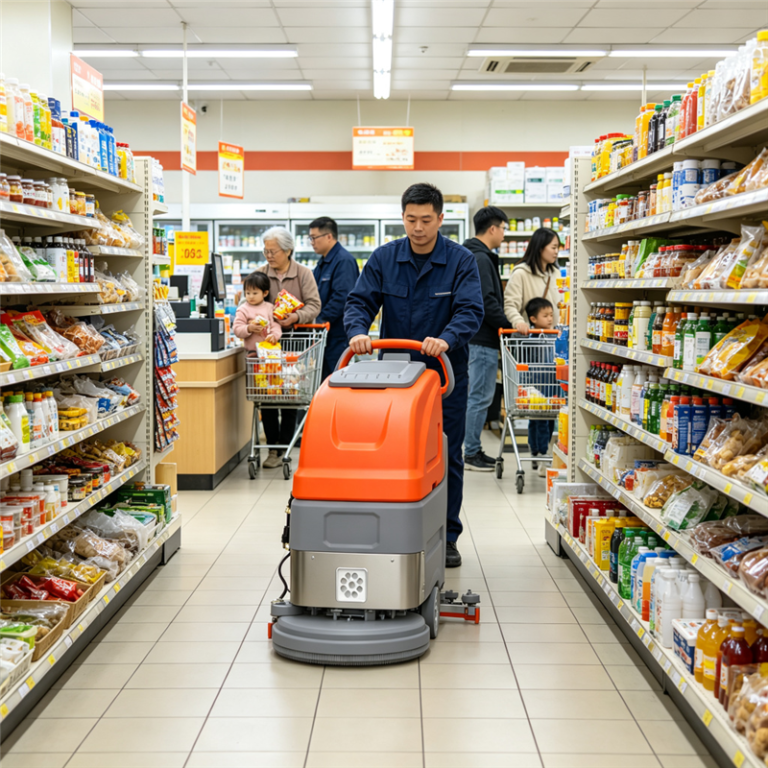
- Traditional methods involve multiple steps — sweeping, wet mopping, dry mopping or waiting for air-drying — making the process lengthy. The new equipment consolidates these steps: as cleaning staff push the unit across the floor, scrubbing and suction drying are completed simultaneously, drastically reducing cleaning time per area.
- The machine’s built-in scrub brushes deliver strong scrubbing action. Paired with immediate waste water suction, they effectively remove common stains such as shoe marks and oil spots for a deeper clean. The equipment adapts well to typical hard flooring surfaces in hotels, including tile, marble and epoxy flooring.
- Floors dry immediately after cleaning, significantly reducing the slip-and-fall hazard for guests and staff caused by wet surfaces, and eliminating the aesthetic impact of residual water marks.
II. Optimized Human Resource Allocation and Work Experience
Labor cost accounts for a major share of hotel operating expenses, and rational staff allocation can effectively boost management efficiency.
- Higher per-pass cleaning efficiency reduces the labor and time required to clean the same floor area. This allows hotels to reallocate valuable human resources to positions requiring more attentive guest service, or to handle cleaning pressure during peak hours.
- Compared with traditional practices that require frequent bending to rinse mops and carry heavy buckets, using mechanized equipment for main floor cleaning reduces employees’ physical workload, improves their work experience and supports staff retention.
- Standardized equipment operation is relatively easy to master, which helps maintain consistent cleaning quality across different staff members and reduces performance variations caused by individual work habits.
III. Sustained Enhancement of Hotel Environmental Quality
A clean, dry and odor-free public environment directly shapes guests’ positive perception of the hotel and their overall stay experience.
- The equipment extracts waste water promptly, preventing dirty water from being spread repeatedly across the floor. This fundamentally reduces the risk of mold growth and odor formation, helping to maintain fresh indoor air.
- Its fast, efficient cleaning capability enables hotels to quickly complete public area maintenance during peak guest traffic periods such as morning and afternoon hours, keeping the premises consistently neat.
- When responding to unexpected incidents such as beverage spills or water marks from rain and snow, staff can address the issue rapidly to restore the area to a clean state, strengthening emergency response capacity.
IV. Key Considerations for Equipment Selection
For hotels planning to introduce new cleaning equipment, careful evaluation and informed selection are critical.
- Applicability assessment: Selection should be based on the hotel’s actual conditions — including primary flooring types, total area to clean, and aisle width — to choose models with suitable brush materials, appropriate machine size and agile steering. Narrow spaces such as guest room bathrooms may still require traditional tools for detailed cleaning.
- Performance criteria: Key indicators to evaluate include clean water tank and waste water recovery tank capacity, battery runtime, noise level and waste water recovery rate. Tank capacity and battery runtime determine continuous operation capability; low noise is ideal for quiet environments; high recovery rate ensures fast floor drying.
- Maintenance and cost: It is essential to understand the equipment’s daily cleaning and maintenance procedures, consumable replacement cycles and associated costs. Reliable equipment reduces long-term maintenance complexity. Its overall long-term value should be assessed comprehensively across efficiency gains, labor savings and quality improvement.
- Staff training: Standardized training on equipment operation and basic maintenance is essential to ensure correct, safe use by staff, maximize equipment performance and extend its service life.
Overall, as the hospitality industry moves toward refined operations, upgrading cleaning equipment is a viable path to elevate environmental management standards. By boosting efficiency, enhancing cleaning results and optimizing labor allocation, it provides tangible support for hotels to maintain a refreshed environment. Each hotel should make rational decisions based on its own operational characteristics and needs, identify the most suitable environmental maintenance solution, and deliver a consistently comfortable stay experience for every guest.